If you love your neighborhood but need more space, you’re probably wrestling with a classic homeowner question: “Should we build out or build up?” It’s a conversation happening all over New Jersey, especially in tight-knit towns where moving is expensive and inventory is low. There’s no one-size-fits-all answer, but understanding the main design, site, and structural factors can help you start the right conversation—with your contractor, designer, or even just your family.
Let’s break down the real-world considerations, so you can make smart, stress-free decisions about your home’s future.
What’s Motivating Your Addition?
Every home addition project starts with a “why.” Maybe your family is growing, you’re working from home more, or you want to boost your home’s value for a future sale. In Monmouth and Ocean counties, we see a mix: multigenerational living, home offices, and the classic “just need more room to breathe.” Local home prices are still climbing, which makes adding on more appealing than buying new for many families.
Take a moment to define your main priorities—space, function, budget, or even curb appeal. Your answer will shape every step that follows.
Building Out: The Single-Story Addition
If your property allows it, single-story additions are usually the most straightforward option. They’re great for expanding kitchens, living rooms, creating new bedrooms, or adding versatile spaces like a sunroom or a four-season room (sometimes called a 3-season room) that brings the outdoors in all year round, without changing the overall height of your home. This can be especially attractive if you want to maintain the original character of your house or avoid major disruptions.
Here’s what to keep in mind:
- Zoning and Lot Lines: New Jersey towns have strict rules about how close you can build to your property edges. For example, in Monmouth County, setbacks can range from 10 to 20 feet, depending on your township. Always check your local requirements first.
- Foundation Work: Building out means pouring a new foundation, which can be straightforward or complicated depending on your site conditions—think soil type, drainage, and even the presence of tree roots.
- Roofline and Aesthetics: Seamless integration of your new roof with the old is key for curb appeal and protection from the elements. The best projects look like they’ve always belonged.
- Outdoor Space Trade-Offs: If your family treasures backyard barbecues or gardening, think through how much space you’re willing to give up—or consider a sunroom or four-season room to enjoy the outdoors from the comfort of inside.
Building Up: The Second-Story Addition
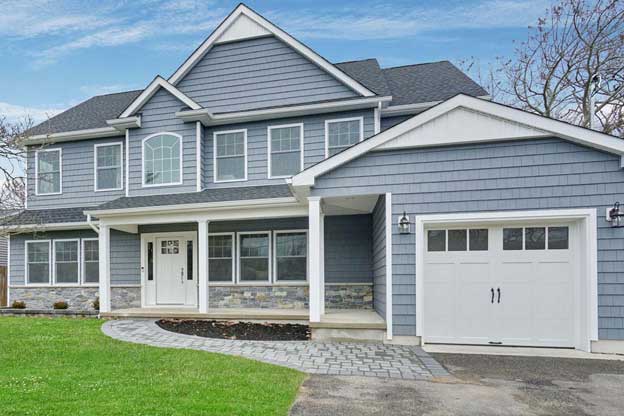
If your lot is tight—or you want to maximize yard space—building up might be your best bet. Adding a second story is a big project, but it can double your square footage without expanding your footprint.
Considerations include:
- Structural Analysis: Your existing foundation and framing need to be strong enough to support a second floor. In most cases, a structural engineer’s stamp is required. Sometimes, reinforcing or replacing parts of your foundation is necessary. This adds cost, but it’s non-negotiable for safety.
- Interior Layout: Staircase placement is a big piece—where it goes will affect your main floor’s flow. Some homeowners use the opportunity to rework their entire layout for better functionality.
- Temporary Relocation: Depending on how involved the project is, you may need to move out for part of the construction. Ask your contractor for a realistic timeline up front.
- Community Aesthetics: Many towns in Eastern New Jersey, especially along the shore, have guidelines about home height and style to maintain neighborhood character. Approvals can take extra time, but they help protect your investment and the area’s charm.
What Does It Cost to Build Up or Out?
Let’s talk dollars and sense. In New Jersey, finished additions typically range from $250 to $600 per square foot, depending on finishes, size, and site prep. Second-story additions are more complex and often run $250,000–$750,000 for the entire project due to the extra engineering, permits, and temporary relocation. Always budget for potential surprises—older homes, in particular, can hide outdated wiring or plumbing that needs updating.
Don’t forget soft costs: design fees, permits, and inspections. At C Mac Contracting, we provide transparent, up-front estimates to help you plan with confidence.
Local Rules and Realities
New Jersey’s patchwork of towns and neighborhoods means rules can change block by block. Here’s what you’ll want to know:
- Setbacks and Maximum Height: These local rules determine where and how big you can build. Some towns limit second stories; others are more flexible if you match the existing neighborhood look.
- Flood Zones: In coastal areas or low-lying spots (common in Ocean County), additions may need to meet FEMA flood elevation requirements, which can add complexity and cost.
- Historic Districts: If your house is in a historic zone, expect extra review and design requirements to preserve the area’s character.
- Permitting Timeline: Some NJ towns can process permits in a few weeks, while others may take a couple of months.
C Mac Contracting knows the local landscape and can guide you through every step, including paperwork and approvals. Don’t hesitate to reach out for advice on your specific township.
Will an Addition Pay Off?
Most homeowners want to know: “Will this investment boost my home’s value?” In popular NJ markets, extra square footage almost always adds appeal, especially for families looking for more bedrooms or flexible space. But overbuilding—adding more space than what’s typical for your neighborhood—can limit your return.
Quality additions in the Northeast recoup a significant amount of their cost at resale. Working with a contractor who knows the local market helps ensure your project fits both your needs and the area.
Starting the Conversation
Ready to take the next step? Bring your ideas, questions, and even your concerns to the table. A good general contractor welcomes your curiosity and will help you weigh the pros and cons of each approach. Ask about everything from structural needs to design integration, permitting, and timeline. The more you know, the smoother—and less stressful—your project will be.
At C Mac Contracting, we believe in calm, transparent guidance from start to finish. We’ve helped countless New Jersey homeowners expand their homes confidently, whether they built out, built up, or just needed a sounding board for their ideas.

Explore by Topic
-
8 Reasons To Remodel Instead of Move
You’ve built a life in your Eastern New Jersey home. The location is perfect, the memories are priceless, but something’s…
-
What’s the Cost of a Bathroom Remodel in Jersey?
Thinking about updating your bathroom in Eastern NJ? Whether you’re dreaming of a sleek powder room refresh, expanding your master…
-
NJ Home Remodel Contractor Backed by Real Results
When you’re ready to update your home, finding a home remodel contractor near you that you can trust is just…
-
9 Kitchen Trends for 2025 You Don’t Want to Miss
According to the 2025 U.S. Houzz Kitchen Trends Study, more than 4 in 5 homeowners (81%) change their kitchen’s style…
-
50 Kitchen Remodel Ideas to Inspire Your Space
Dreaming of a Kitchen That Works and Wows? Whether you’re craving more counter space, rethinking your layout, or just want…