Remodeling near the water isn’t just “a normal renovation with better views.” The Shore has its own physics, its own wear-and-tear, and its own calendar. If you plan your coastal remodel like it’s inland New Jersey, your home will correct you—usually with rust, leaks, warped materials, or a timeline that detonates right before Memorial Day.
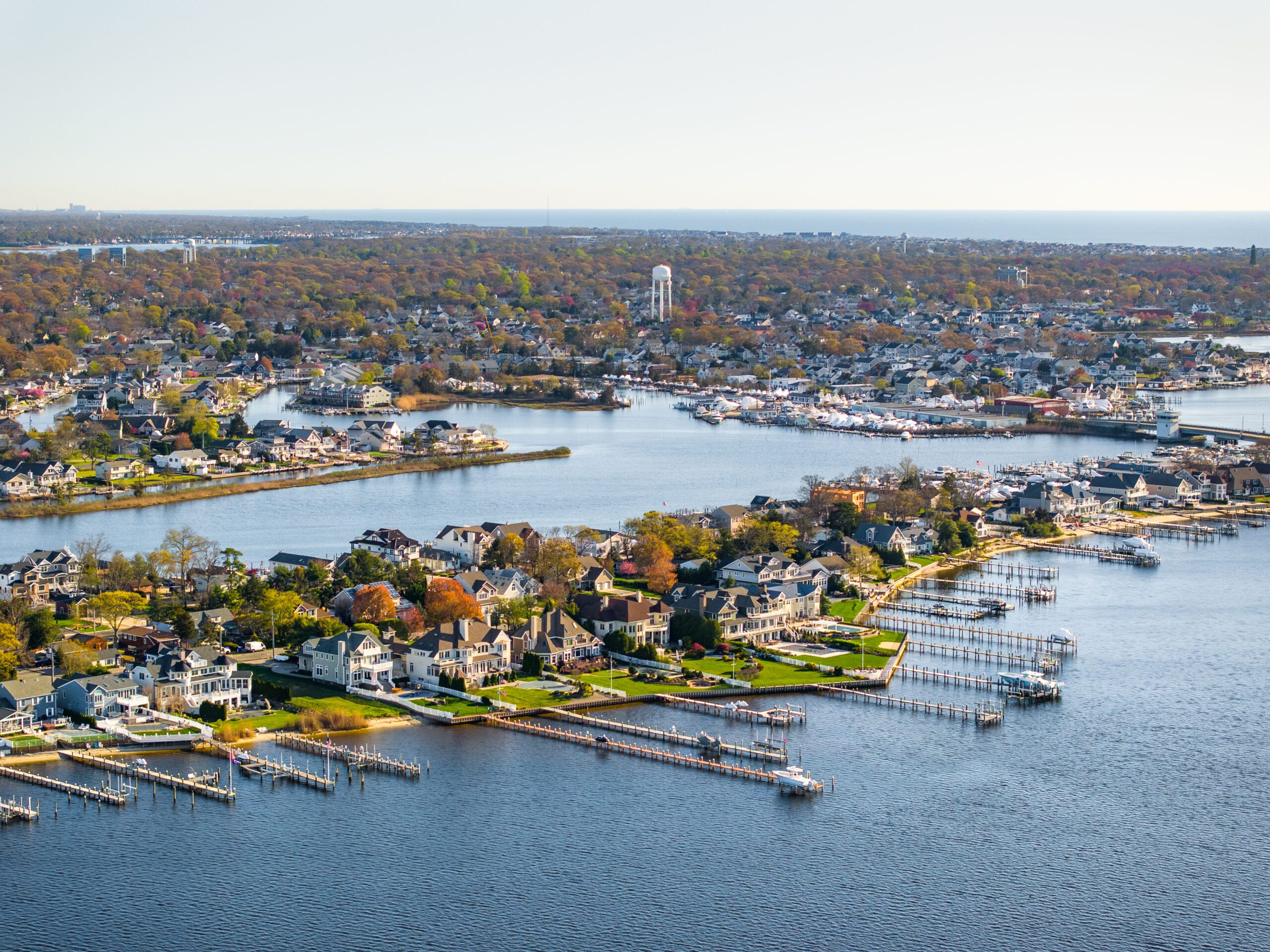
Whether you’re in Seagirt, Bay Head, Spring Lake, Mantoloking, Point Pleasant, or anywhere along the Jersey Shore, here are five key differences that shape smarter Shore renovations—and what to look for in a general contractor to make sure you hire someone who understands coastal conditions.
1) Salt air + moisture: everything ages faster
Coastal air carries moisture and salt, and together they’re a recipe for corrosion. Hardware, fasteners, exterior fixtures, railings, HVAC components—if they’re not chosen with coastal exposure in mind, they can deteriorate faster than homeowners expect.
What this changes in a remodel:
- Exterior materials and fasteners matter more. “Standard” can become “regret” in a hurry if it’s not suited for coastal conditions.
- Windows and doors need to hold a tighter line. Seals, frames, and hardware choices play a big role in long-term performance.
- HVAC placement and protection becomes a bigger deal. Coastal environments can be harder on equipment, and maintenance schedules matter.
You’ll often see this corrosive damage show up first in more exposed areas like Bay Head and Mantoloking, where the elements don’t mess around. But even slightly inland-adjacent towns like Brielle still deal with humidity patterns that can punish shortcuts. A good construction company will proactively plan for this upfront—before you’re replacing hardware that “should’ve lasted way longer.”
2) Wind loads + coastal storms: water gets in sideways here
Inland rain falls down. Shore rain explores every angle.
Wind-driven rain and coastal storms change what “good construction” looks like—especially around the roof, penetrations, flashing details, and exterior transitions where water loves to sneak in.
What this changes in a remodel:
- Roofing and flashing details are non-negotiable. Most failures don’t happen in the middle of the roof—they happen where the roof meets something else (walls, chimneys, vents, skylights).
- Doors, windows, and exterior attachments take more abuse. Railings, lighting, pergolas—the wind will work your fasteners loose over time.
- Storm-resilient upgrades become a planning category, not a bonus. Depending on the home and exposure, it can influence product selection and installation methods.
This comes up a lot in Mantoloking and Bay Head, where many homeowners prioritize storm resilience as part of the initial project plans—not as an afterthought once the first nor’easter hits. It’s also where you’ll notice differences between general construction companies and a coastal-experienced general contractor: the details are planned, not patched.
3) Sand everywhere: design as if it’s coming inside (because it is)
Sand is basically sandpaper with a social life. It gets tracked in, grinds into floors, clogs entry areas, and turns “pretty but delicate” into “why did we choose this” after only a couple summers.
What this changes in a remodel:
- Flooring needs abrasion resistance. If you have a busy household or rentals, durability beats delicate finishes.
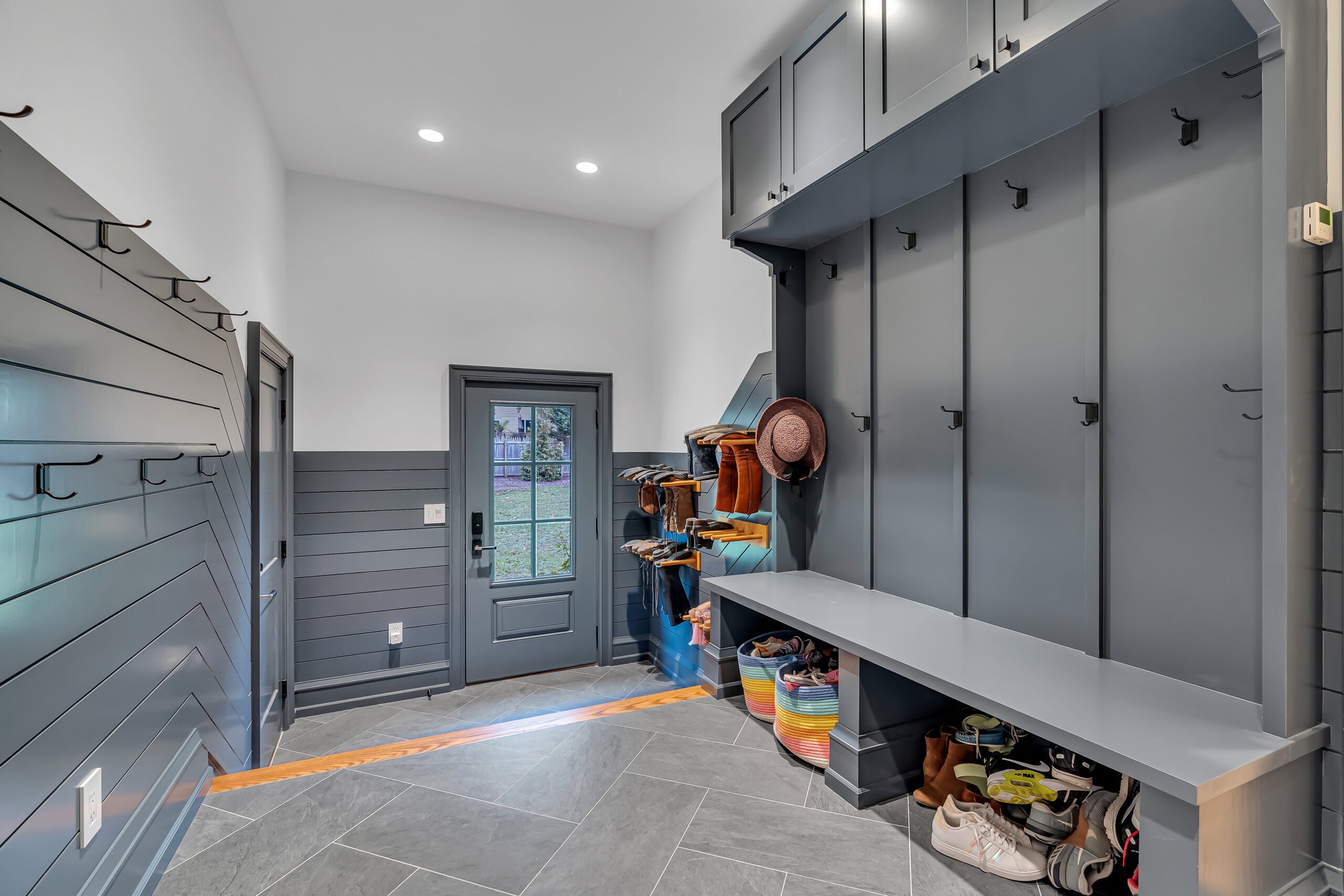
- Entryways become a functional zone. Benches, hooks, cubbies, and layouts that control traffic are worth their weight in sanity.
- Mudrooms/laundry zones earn their keep. Especially when wet towels, swimsuits, and gear show up daily.
In Point Pleasant, where family life and summer traffic can be full tilt, the entry/mudroom plan is often the difference between “this works” and “why is there always sand in my living room.” In towns with tighter lots and smaller footprints like Seagirt and Spring Lake, smart storage and traffic flow matter even more because you can’t always “add more space” to solve congestion issues. This is where a seasoned general contractor adds serious value—helping you prioritize the upgrades that actually make day-to-day life easier.
4) Seasonality: your timeline is competing with summer
At the Shore, renovation schedules don’t just follow a calendar—they follow a countdown. Many homeowners want projects wrapped before peak season, and that puts real pressure on planning, lead times, and permitting.
What this changes in a remodel:
- Spring schedules fill up fast. If the goal is “done by Memorial Day,” your planning window is earlier than most people think.
- Material lead times can make or break you. Windows, doors, cabinets, and specialty items don’t care about your beach week.
- Phasing becomes your best friend. Sometimes the smartest move is finishing the high-impact pieces first and pushing the rest into fall.
This is especially common in Bay Head and Mantoloking, where summer readiness is often the priority. In Point Pleasant, homes and rentals that must remain occupied add another layer of complexity: cleanliness, safety, and phasing aren’t “nice”—they’re essential. The best construction company will set expectations early and build a schedule that respects Shore reality instead of promising miracles.
5) Older homes + tight lots: expect surprises, plan accordingly
Many Shore towns include older homes with decades of renovations layered on top of each other. That can mean out-of-plumb framing, old electrical surprises, hidden moisture issues, and odd structural quirks that aren’t visible until you open things up.
What this changes in a remodel:
- Budgeting needs a realistic contingency. Older homes can be amazing—just don’t pretend they’re predictable.
- Site logistics matter more. Tight lots mean staging, deliveries, parking, and neighbor impact must be planned.
- “Tasteful updates” are often the goal. Modern function without stripping away character.
In Seagirt, Spring Lake, and Brielle, homeowners often want upgrades that preserve the feel of the home while improving layout, comfort, and performance. Bay Head renovations frequently pursue that same balance—classic Shore character, upgraded thoughtfully. With tight lots and close neighbors, there is zero room for chaos, so a capable general contractor will plan site logistics carefully and communicate proactively.
The Shore Reality Check Checklist
Before you start swinging hammers, give your Jersey Shore home renovation plan a quick reality check and make sure it covers these basics:
- Choose exterior hardware/materials with coastal corrosion in mind
- Treat flashing and penetrations like the VIPs of the project
- Design the entry assuming sand is coming in
- Pick flooring for abrasion + wet traffic
- Build your timeline around peak season realities, not wishful thinking
- If it’s an older home, budget for unknowns (because there will be some)
One last thing
A Shore remodel can be both beautiful and built to last—but only if it respects the environment it’s living in. If you’re planning a home renovation in Seagirt, Bay Head, Spring Lake, Mantoloking, Point Pleasant, or Brielle, the right construction company (and the right general contractor leading the project) will help you avoid these common coastal pitfalls.
At CMac Contracting, we have over a decade of experience building and renovating homes in the coastal areas of Monmouth and Ocean counties. Contact us today for a consultation to ensure your renovation investment now continues to pay off for years and years to come.
Explore by Topic
More From the Blog
-
8 Things You Need to Know Before Starting a Home Remodel
There’s something exciting about imagining your home with a brand-new kitchen, a beautifully updated bathroom, or a living space that…
-
How Plumbing Affects a Kitchen and Bathroom Remodel
When you’re planning a remodel, it’s easy to focus on the things you can see: cabinets, countertops, flooring, fixtures, and…
-
7 Home Remodel Upgrades Worth Splurging On
We spend a lot of time telling homeowners how to stay on budget during a remodel. Plan before you start.…