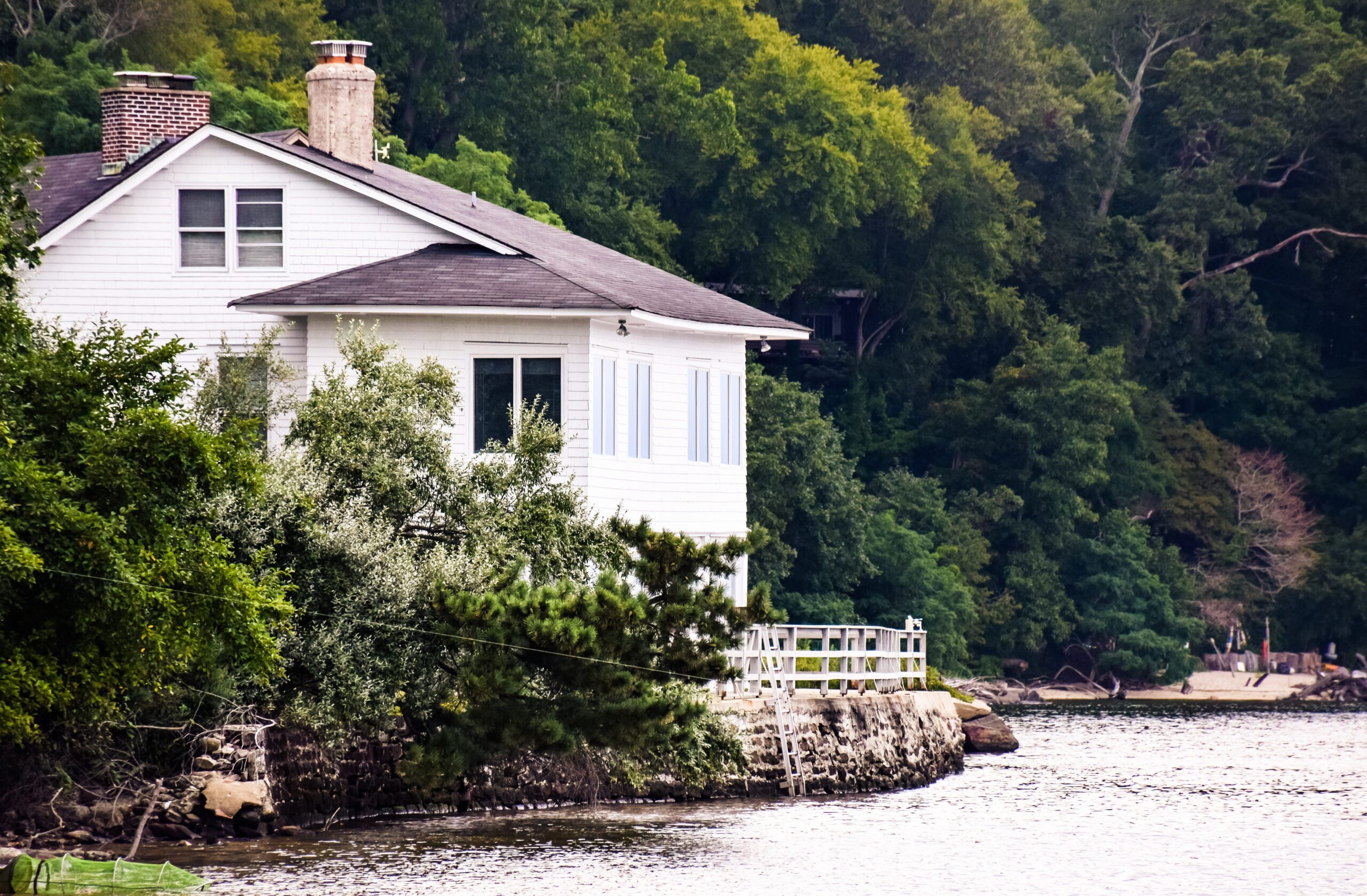
Older homes across Monmouth and Ocean Counties have a charm and character that newer builds simply can’t replicate. But once a remodel gets underway and walls, floors, and ceilings start to open up, it’s common to uncover conditions no one could see at the walkthrough.
Handled well, these surprises don’t have to derail your design or your budget. Handled poorly, they can trigger costly delays, change orders, and a lot of second-guessing. Here, we’ll walk through how unexpected issues typically show up in older New Jersey homes, how a seasoned general contractor and design team identify and document them, and the strategies we use to manage them while still delivering the remodel you originally envisioned.
Why Older Homes Commonly Come With Surprises
If your home is older, you’re in good company. Industry analysis shows that almost half of owner-occupied homes in the U.S. were built before 1980, and the median age of owner-occupied homes is now over four decades old. That aging housing stock means more projects where framing, insulation, wiring, and plumbing have quietly reached the end of their useful life behind finished surfaces.
At the same time, moisture and mold problems are more common than many homeowners realize. In one large study of 831 homes across 75 U.S. locations, about 24% had detectable moisture or mold problems behind the scenes.
Put simply: older homes with aging materials and decades of minor leaks, repairs, and add-ons are more likely to reveal hidden issues once remodeling begins. The key is to work with a contractor who expects these findings and has a plan to handle them.
The Most Common Unexpected Conditions in Older Homes
Every home is unique, but certain patterns show up again and again in older houses in coastal and near-coastal New Jersey.
Hidden Framing and Structural Repairs
Once drywall or plaster comes down, it’s not uncommon to find:
- Floor joists that have been notched or cut to run plumbing or HVAC
- Old repairs where undersized lumber was sistered onto original framing
- Rot at the bottom of wall studs near long-term leaks or poorly flashed windows
- Past storm or flood damage that was patched cosmetically but not fully corrected
These issues can affect how safely a wall can be opened, how much you can change a layout, or whether we need an engineer to review proposed structural changes.
Moisture, Mold, and Ventilation Problems
Because of our climate and proximity to the coast, moisture is one of the biggest long-term threats to older homes in Monmouth and Ocean Counties. Water can enter through roof leaks, aging flashing, failed caulking, porous masonry, or poorly vented bathrooms and kitchens.
The key to mold control is moisture control, and indoor mold growth should be prevented or controlled by managing sources of moisture rather than just cleaning visible spots.
In a remodel, we often uncover:
- Dark staining or soft sheathing around windows and doors
- Mold behind tile or wallboard in showers where waterproofing failed
- Damp, musty insulation in exterior walls or attics
- Old bathroom exhaust fans that vent into the attic rather than outside
A qualified contractor’s job is to track the moisture to its source, correct the building envelope or ventilation, and replace any damaged materials—before new finishes go in.
Outdated Electrical and Mechanical Systems
Many older homes still rely on electrical panels, branch wiring, or plumbing that were considered standard decades ago but fall short of today’s codes and safety expectations.
Federal safety agencies have documented particular concerns with some legacy systems. For example, there have been numerous home fires attributed to aluminum branch-circuit wiring used in some homes built during the 1960s and 1970s and recommends that any corrections be performed by qualified electricians using approved methods.
During a remodel, it’s common to uncover:
- Old, undersized electrical panels that can’t support modern loads
- Ungrounded outlets or legacy wiring methods that don’t meet current safety standards
- Galvanized steel plumbing supply lines that are corroding from the inside
- Venting or ductwork that was never designed for current high-efficiency equipment
These discoveries may require us to update panels, add new circuits, or replace sections of plumbing. While that can feel like an unexpected expense, bringing critical systems up to date is one of the most impactful ways to improve both safety and long-term reliability.
Legacy Materials in Pre-1978 Homes
If your home was built before 1978, it may contain lead-based paint or other legacy materials. That doesn’t mean your home is unsafe to live in, but it does mean renovations need to be handled carefully.
Contractors disturbing painted surfaces in pre-1978 homes above certain thresholds must be trained and certified in lead-safe work practices. When testing or past inspections suggest the presence of lead-based paint—or, in some cases, asbestos in older flooring or insulation—we coordinate with the right specialists and factor those safety steps into the project plan.
How a Good General Contractor Identifies Issues Early
While no one can see through walls, an experienced design–build team can do a lot to reduce the number and impact of surprises.
During our walkthroughs for home remodeling projects, we pay close attention to clues like uneven floors, recurring ceiling stains, musty smells, and mismatched repairs. When something doesn’t look quite right, we call it out early and, if necessary, recommend selective exploratory work before finalizing structural changes.
Managing Unexpected Conditions Without Losing Your Design Vision
One of the biggest homeowner fears is that hidden conditions will force them to abandon the kitchen, bath, or whole-home design they’ve been planning for months. In reality, when these issues are approached strategically, most projects stay very close to the original intent.
Here are some of the ways we keep your design front and center while doing the behind-the-scenes repairs your home needs:
- Protecting the layout and “must-haves” first. The functional improvements you’re making—like opening a kitchen to the family room, adding a primary suite, or reworking a cramped bathroom—usually stay non-negotiable.
- Using allowances and contingencies wisely. In older-home remodels, we strongly recommend carrying a contingency amount to handle what we can’t see at the outset.
Throughout, your designer and project manager work together so that any changes behind the walls don’t break the visual story you’re creating in your remodeled home.
Planning Your Older-Home Remodel in Monmouth & Ocean Counties
If you live in an older home in Monmouth or Ocean Counties, it’s smart to go into a remodel assuming you’ll uncover at least a few hidden conditions. That isn’t a sign that your home is “bad”; it simply reflects its age and history.
At C Mac Contracting, we approach every older-home remodel with that mindset. Our goal is to preserve what you love about your home, resolve the issues that have been lurking out of sight, and deliver a final result that feels cohesive, safe, and ready for the next several decades.
If you’re starting to plan a project and want to talk through what’s realistic for your home, you can contact our team to schedule a conversation. Together, we can uncover whatever your older home is hiding—and turn it into a space that works beautifully for how you live today.
Explore by Topic
-
What Should You Remodel First in an Older New Jersey House?
You bought the house knowing it needed some work. Maybe the kitchen is stuck in another decade. The bathrooms are…
-
Final Walkthroughs & Post-Project Care: What Happens After Your Remodel Is Finished
When your home remodel is almost wrapped up, it’s easy to feel like the hard part is behind you —…
-
How Much Does It Cost to Remodel a Home in NJ?
If you’re thinking about a major home remodel in Eastern New Jersey, you’re probably asking the same question every homeowner…
-
The Cost of Home Additions in New Jersey
If you’re considering a home addition in New Jersey, you’re probably asking the same question every homeowner asks: “What’s this…
-
What’s the Cost of a Kitchen Remodel in NJ?
Remodeling your kitchen is one of the best ways to enhance your home’s comfort, functionality, and value. Whether you’re dreaming…